PCOS is a condition that can affect your periods, fertility, hormones and aspects of your appearance. It can also affect your long-term health. Estimates of how many women it affects vary widely from 2 to 26 in every 100 women. This information is about the effects on your long-term health and does not cover specific treatment options for PCOS.

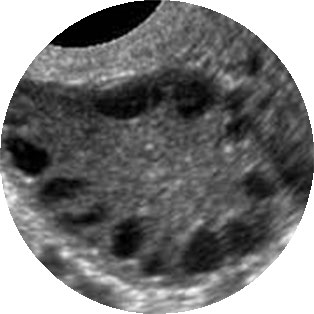
Polycystic ovaries are slightly larger than normal ovaries and have twice the number of follicles (small cysts). Polycystic ovaries are very common affecting 20 in 100 (20%) of women. Having polycystic ovaries does not mean you have polycystic ovary syndrome. Around 6 or 7 in 100 (6–7%) of women with polycystic ovaries have PCOS. Having polycystic ovaries does not necessarily mean that you have PCOS. Women with PCOS have symptoms as well as polycystic ovaries.
The symptoms of PCOS include:
The symptoms vary from woman to woman. Some women have very few mild symptoms, while others are affected more severely by a wider range of symptoms.

The cause of the syndrome is not known yet, however it is often familial. If some of your relatives (mother, aunts, sisters) have been diagnosed with polycystic ovary syndrome, the risk of that the syndrome occurs to you may be increased.
The symptoms that are related to the abnormal levels of hormones in the blood:
Having polycystic ovaries does not mean you have PCOS.
Women with PCOS often have symptoms that come and go, particularly if their weight goes up and down. This can make it a difficult condition to diagnose, which means it may take a while to get a diagnosis.
A diagnosis is made when you have any two of the following:
What could PCOS mean for my long-term health?
If you have PCOS, you are at greater risk of developing the long-term health problems discussed below.
If your blood glucose does not stay normal, this can lead to diabetes. One or two in every ten women with PCOS go on to develop diabetes at some point. If the diabetes is untreated, this can cause damage to organs in the body.
If you have PCOS, your risk of developing diabetes is increased further if you:
If you are diagnosed with diabetes, you will be given advice about your diet and may be prescribed tablets or insulin injections.
Women with PCOS tend to have high blood pressure, which is likely to be related to insulin resistance and to being overweight rather than to the PCOS itself. High blood pressure can lead to heart problems and should be treated.
If you have fewer than three periods a year, the lining of the womb (endometrium) can thicken and this may lead to endometrial cancer in a small number of women.
There are various ways to protect the lining of the womb using the hormone progestogen. Your doctor will discuss the options with you. This may include a five-day course of progestogen tablets used every three or four months, taking a contraceptive pill or using the intrauterine contraceptive system (Mirena®). The options will depend on whether you are trying for a baby. PCOS does not increase your chance of breast or ovarian cancer.
The symptoms of PCOS may affect how you see yourself and how you think others see you. It can lower your self-esteem.
PCOS can lead to fatigue or sleepiness during the day. It is also associated with snoring.
Have a healthy lifestyle
The main ways to reduce your overall risk of long-term health problems are to:
If you are overweight, it would be helpful to lose weight and maintain your weight at this new level. If your BMI is more than 30, discuss ways of losing weight, including weight-reducing drugs, with your doctor.
The benefits of losing weight include:
You only have to lose a small amount of weight to make a difference to your symptoms and your health.
There is no strong evidence that PCOS by itself can cause you to gain weight or makes losing weight difficult.
There is no cure for PCOS. Medical treatments aim to manage and reduce the symptoms or consequences of having PCOS. Medication alone has not been shown to be any better than healthy lifestyle changes (weight loss and exercise).
Many women with PCOS successfully manage their symptoms and long-term health risks without medical intervention. They do this by eating a healthy diet, exercising regularly and maintaining a healthy diet and exercise.

Women with PCOS over the age of 40 should be offered a blood sugar test once
a year to check for signs of diabetes. If your BMI is 30 or over or you have a family history of
diabetes, you may be offered testing for diabetes earlier than age 40.

You can be referred to a counsellor or trained specialist if necessary.
Discuss with your doctor how often you should have your blood pressure checked and whether you should have blood tests to check your cholesterol levels.
If you have not had a period for a long time (over 4months) or have irregular bleeding, it is advisable to see your doctor. You may be offered a referral for further tests
that may include an ultrasound scan of your womb (uterus) or treatment to make you have a period if they are very irregular.
High-quality medical services from Obstetrician-Gynecologist Alexandros Mainas, in Komotini.